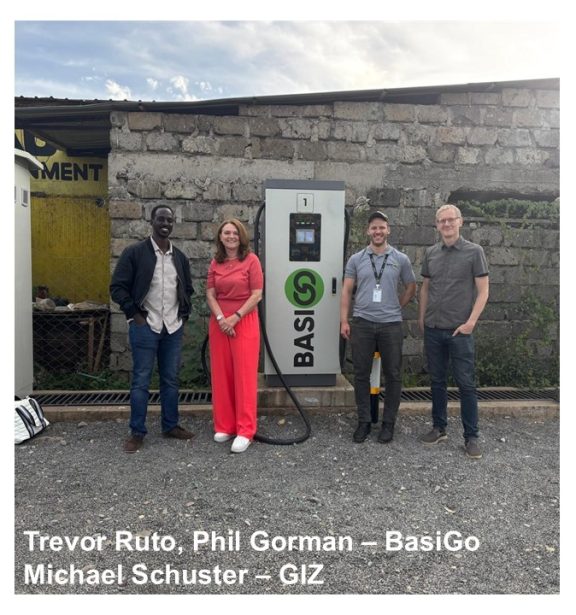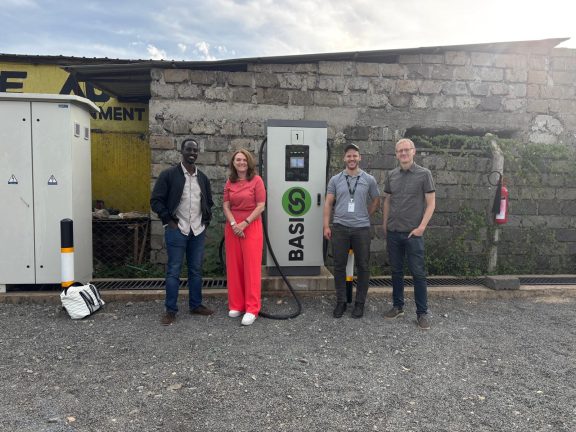
At the Open Charge Alliance, we have seen increasing interest from the African continent on multiple levels. Last year, we published a white paper on the use of the African payment method M-Pesa with OCPP. This year, we welcomed our first African member, and overall, we have seen an increase in downloads from African countries. To gain a better understanding of the current state of electrification, Open Charge Alliance Director Lonneke Driessen visited several companies and organizations in Nairobi, Kenya.
During the visit, Lonneke met with organizations involved in the development of sustainable transportation in Kenya and across Africa. She introduced the Open Charge Alliance and OCPP, and discussed opportunities for how OCA can support the development of the e-mobility sector in Africa.
Among the organizations visited was GIZ, the Deutsche Gesellschaft für Internationale Zusammenarbeit. GIZ is a German organization working on behalf of the German government to help build a sustainable future and is involved in multiple projects in Kenya’s e-mobility sector.
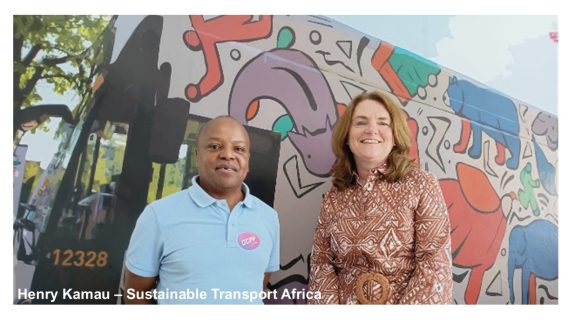
Sustainable Transport Africa also has been visited. An organization focused on making transport more accessible to the lower income, physically challenged and financially disadvantaged group while reducing its environmental impact. Currently active in Kenya, Uganda and Ethiopia. One of the projects they are working on is providing charging infrastructure for electric two- and three-wheelers.
Another organization involved in the development of charging infrastructure is the Kenya Bureau of Standards (KEBS). KEBS plays an important role in supporting the growth of Kenya’s EV industry by providing the standards, testing, certification, and quality assurance needed for safe and reliable e-mobility. Through its work, KEBS aims to support interoperability, build trust in new technologies, and help Kenya develop a future-proof EV ecosystem.
The visit did not only include organizations focused on the Kenyan EV industry. There were also meetings with organizations contributing to the EV industry across the African continent. One such organization is UNEP’s Africa Sustainable Transport Forum, which focuses on integrating sustainable transport into development and planning processes across Africa. Its work supports the broader transition towards cleaner mobility by focusing on areas such as road safety, vehicle emissions, and sustainable infrastructure.
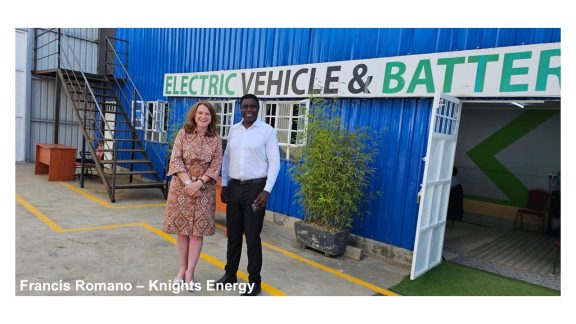
The Africa E-Mobility Alliance also plays an important role in accelerating sustainable mobility across the continent. During the visit, discussions focused on how bringing together stakeholders, creating networking opportunities, and supporting policy discussions can contribute to this common goal and help shape Africa’s e-mobility ecosystem.
Together, these visits provided valuable insight into the opportunities and challenges shaping e-mobility in Kenya and across Africa. They also underlined the importance of open standards, interoperability, and international collaboration in building charging infrastructure that is safe, scalable, and future-ready. We would like to thank all the companies for helping OCA gaining this inside and we look forward to the future collaboration.